
About the program
Veteran Addiction Treatment Through Waypoint's Tactical Recovery Program
Tactical Recovery is a specialized veteran addiction treatment and mental health treatment program offered at Waypoint Recovery Center. The tactical program is built specifically for active-duty military personnel, veterans, and current or former first responders.
As a comprehensive veteran and first responder addiction treatment program, Tactical Recovery treats the root causes of addiction and mental health conditions- offering a strong foundation for lasting recovery from substance abuse. Every aspect of the program, from clinical assessment to daily programming, is shaped around the culture, language, and lived experience of those who served and continue to serve our country.
Tactical Recovery
A program shaped around those who serve.
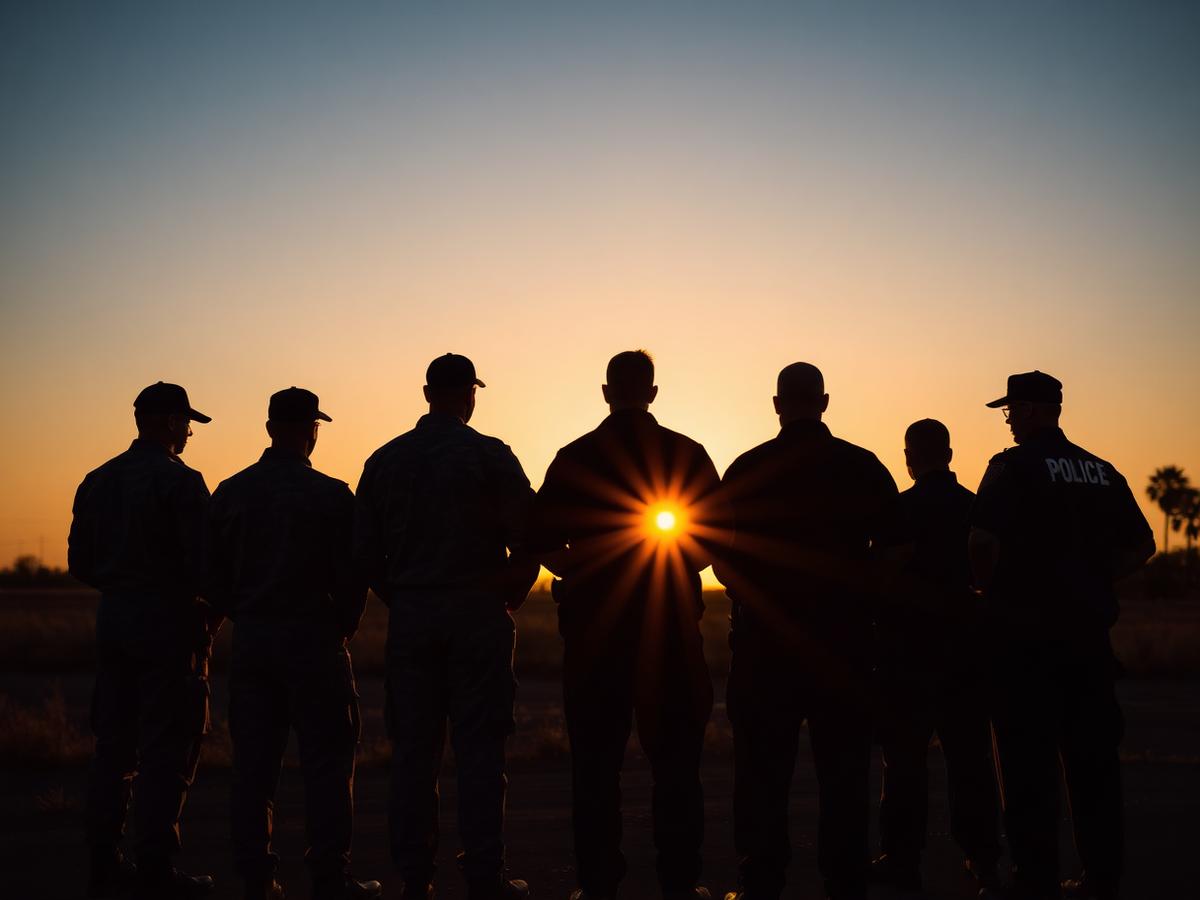
Built for those who serve and have served
What is Tactical Recovery?
The Tactical Recovery program is based on the understanding that America’s veterans, active-duty military personnel, first responders, and their family members are the backbone of our country. Their personal and professional sacrifices are what keep our communities safe. At the same time, we recognize that these roles can carry long-lasting, negative effects on the people who serve in them – including persistent struggles with substance use and mental health conditions.
Tactical Recovery was created in response to statistics like these, along with a growing need for services and support for the men and women who serve and have served. Too often, veteran and first responder rehabs do not offer the specialized, trauma-informed care these populations need and deserve. Tactical Recovery was created to close that gap – pairing clinical excellence with genuine cultural competency so that every veteran, service member, and first responder receives care built around who they are and what they have been through.
Some important statistics on these impacts include:
PTSD is three times more likely to occur in deployed military personnel than civilians
More than 80% of veterans with substance use disorder struggle with alcohol as their primary substance of choice
36% of military personnel and veterans reported needing mental health treatment but did not receive it
One in three first responders will develop PTSD in their lifetime
Approximately 20% of first responders report having a substance use disorder
Approximately 17.6 veterans die by suicide every day in the United States
Care built for those who served
Who Tactical Recovery Helps
Active-Duty Military Personnel
Reserve Military Personnel
Veterans
Current & Former First Responders
How to Know if this program is the right fit
Is Tactical Recovery the Right Program?
While each case is different, behaviors to evaluate include:
Developing an increased reliance on alcohol or drugs
The inability to to manage stress, sleep, or memories without drugs or alcohol
Struggling to complete daily tasks or effectively maintain employment or relationships due to mental health conditions or substance use
Presenting one or more symptoms of PTSD paired with service or deployment– including flashbacks, hypervigilance, nightmares, or emotional numbness
Prior treatment attempts for the above that were not successful or did not account for military or first responder culture
Substance use & mental health treated together.
Tactical Recovery Treatment Approach
Substance Use Disorder
For many clients, Tactical Recovery serves as a specialized military substance abuse treatment program that addresses alcohol misuse. However, opioid addiction, prescription medication dependence, stimulant abuse, and other substance-related disorders are also treated. Each substance use treatment plan is individualized to reflect the consideration and needs of physical, mental and emotional history, service background, and recovery goals.
Substance use treatment is administered by the treatment team, who will work on identifying the underlying drivers of substance abuse to address it head on. Our clinicians use evidence-based modalities to help build coping skills, address cravings, and support sustainable behavioral changes around drugs and alcohol.
Medication-assisted treatment (MAT) for drug and alcohol addiction is available when deemed appropriate by the treatment team. While beneficial in many cases, medication-assisted treatment is never administered as a standalone treatment at Waypoint, and is always part of a well-grounded treatment plan with both therapeutic, 12-step, and experiential therapies.
Mental Health Treatment
Waypoint’s Tactical Recovery program provides mental health treatment built to meet the specific needs of military and first responder populations. Many program clients arrive carrying existing or undiagnosed PTSD, depression, anxiety, moral injury, or unresolved grief. These conditions are often tied to combat exposure, line-of-duty incidents, or the cumulative weight of years spent responding to tragic and high-stress scenes.
Because trauma and addiction frequently occur together, Tactical Recovery addresses mental health conditions alongside substance use disorders — an integrated approach that helps clients achieve stronger and more sustainable outcomes. Treatment for mental health conditions draws on evidence-based behavioral and medication therapies.
Individual and group therapy provide clients with the opportunity to connect clients with other Tactical Recovery peers and professionals who understand military and first responder culture. All programming is delivered by clinicians trained specifically in trauma-informed care and military cultural competency.
Common Treatments for Substance Use & Mental Health
What to Expect During the Tactical Recovery Program
Structured, Specialized Residential Treatment
As a trauma-informed program offering residential treatment for first responders and veterans, Waypoint addresses the root causes of substance use and mental health disorders while receiving around-the-clock support from experienced clinical professionals.
A typical day at Waypoint follows a predictable, structured rhythm: mornings begin with wellness and mindfulness activities before clients move into a schedule of individual sessions, process groups, and psychoeducational groups throughout the day. There is also time for meals, exercise, rest, and personal reflection between program scheduling.
Across a typical week, clients rotate through individual therapy, group therapy, family sessions when appropriate, psychiatric check-ins, and specialty groups focused on relapse prevention, life skills, and discharge planning. Therapeutic, behavioral, and team-focused treatments are both diverse and plentiful. They include:
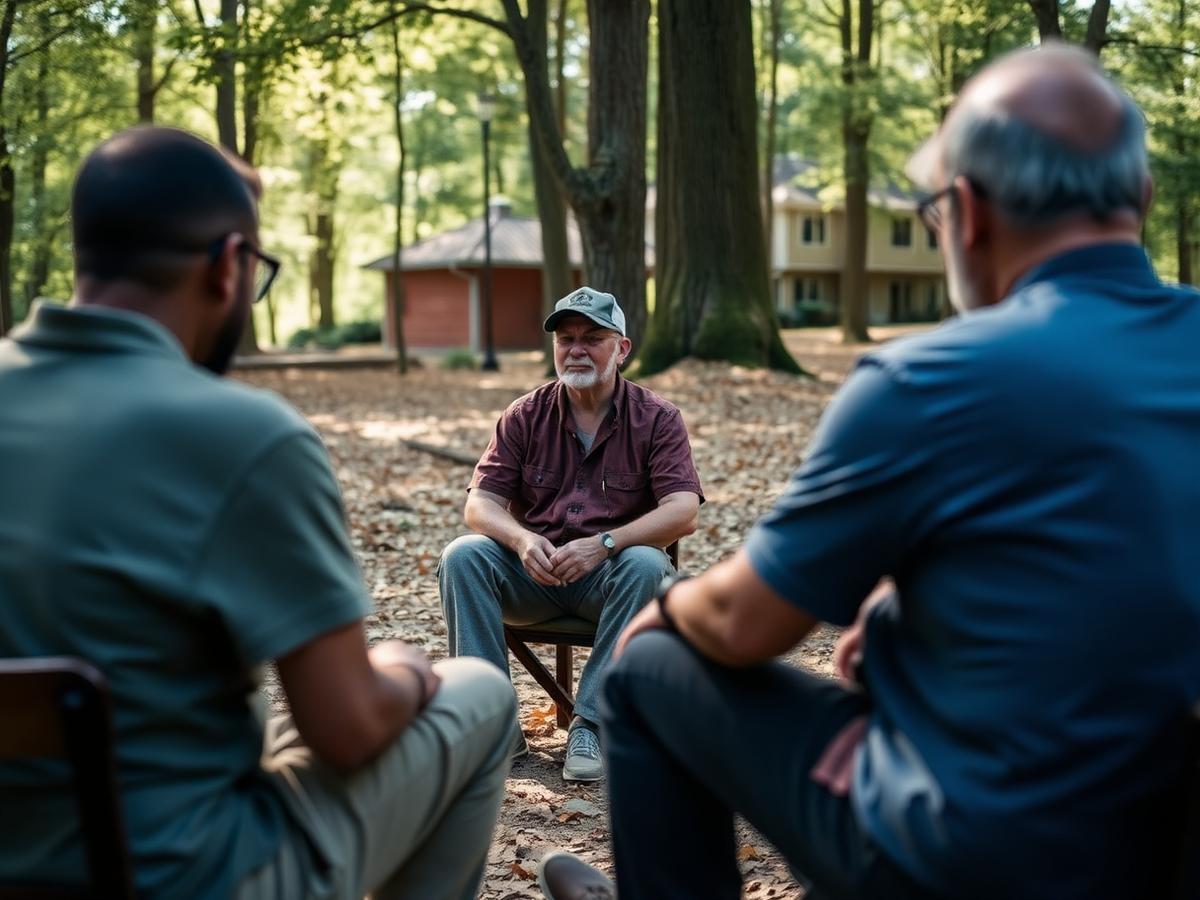
Cognitive Behavioral Therapy and Dialectical Behavior Therapy
EMDR
Experiential therapy
12-step recovery groups and sponsorship work
Individual, group, and family therapy
Psychiatric services, including medication assisted treatment when appropriate
Substance use and co-occurring disorders education
Process and mindfulness groups
Exercise, nutrition, and wellness activities
Relapse prevention, gender-specific, life skills, and discharge planning groups
Family Education & Support
Military members and first responders in Waypoint’s Tactical Recovery program do not complete the program alone. Family education, support, and involvement in the treatment process is a cornerstone of care and a critical step toward better long-term outcomes.
Facilitated by counselors specifically trained to meet the needs of military and first responder families, the family support program helps loved ones build realistic expectations for recovery through education, conversation, and support. Families who participate can expect the clinical team to engage with them on topics including:
Addiction and mental health
Codependency and codependent behaviors
Setting healthy boundaries
12-step recovery groups
Methods for best supporting a loved one after treatment
Aftercare & Discharge
Success after discharge is a top priority. Not only does the Tactical Recovery program want clients to succeed during the program, but to continue their success long after discharge. Every Tactical Recovery client’s aftercare plan begins as soon as they are admitted.
Decisions regarding after care are informed by their progress and needs during residential treatment and are guided by each client’s individualized treatment team. Aftercare planning is highly personalized to the specific recovery and mental health considerations of the client. Aftercare resources offered as part of the program can include:
Referrals to intensive outpatient counseling
Information and connections to Waypoint's alumni program
Referrals to private therapists for ongoing mental health care
Connection to local support groups (Alcoholics Anonymous, SMART Recovery, etc)
Resources and connections to sober living environments
Information on veteran housing, food assistance, and networking resources
Help while you wait
Bridge Care for Veterans
Bridge Care
Start Today.
Transfer When Ready.
When there is no immediate availability at a VA facility but a veteran needs immediate help, Waypoint’s Tactical Recovery program offers a specialized Bridge Care option.
With proper authorization, veterans can begin receiving mental health and substance use disorder treatment through Tactical Recovery until services can be secured at a VA facility. Bridge Care supports veterans at the moment they need help most, starting them on the road to recovery sooner rather than waiting on a VA bed to open.
Bridge Care at Waypoint currently offers:
A temporary, supportive environment for veterans to remain safe and sober
A veteran-centric approach offering trauma-informed care
Medically-monitored detox
Collaborative coordination with VA Medical Centers to ensure a safe bed-to-bed transfer
A staff of licensed clinicians and medical professionals
Additional, comprehensive levels of care provided as necessary
Getting Started Is Easier Than You Think
Admissions & Treatment Timeline
Length of Treatment

Admissions & Assessment Process
Getting started with Tactical Recovery begins with outreach to our admissions team. The typical admissions process takes between 30 minutes to an hour. The initial assessment phase offers a critical first-hand look into a client’s background, including substance use history, mental health symptoms, medical history, and any prior treatment. These data points confirm that residential-level care is appropriate and builds an individualized treatment plan before the client ever arrives at Waypoint.
Our admissions team works directly with prospective clients and their families to coordinate every step of this admissions process up to arrival at Waypoint, including:
Authorization with VA Medical Centers for clients using Bridge Care
VA community care benefits
Cost should never stand in the way
Benefits, Insurance & Costs of the Tactical Recovery Program
Cost should never stand between a veteran, service member, or first responder and the care they need. Waypoint works with a range of insurance providers, including TRICARE and VA community care benefits, as well as many private insurance plans, to help with treatment costs.
Our admissions team will complete a free, no-obligation insurance verification to confirm coverage details before a client commits to treatment and will review all coverage and costs upfront so there are no surprises about what is and is not covered.
For clients without insurance coverage that fully addresses treatment costs, our admissions team will discuss available payment options directly and transparently, working to find a path to care that fits each family’s financial situation.
Cultural competency, built in.
Partnership with PsychArmor
A program built for you, not adapted to you.
Why Choose Tactical Recovery at Waypoint?
Veterans and first responders deserve a mental health and addiction treatment program built around their specific experiences rather than a cookie-cutter program adapted from a generic model. Tactical Recovery stands apart by offering:
A dedicated program for active military, veterans, and first responders that is staffed by clinicians trained in military and first responder culture
A full range of evidence-based modalities
Family education and support in every treatment plan
A partnership with PsychArmor, supporting ongoing staff training
An integrated approach to substance use and mental health
Bridge Care availability for veterans who need help before a VA bed opens
Individualized aftercare planning that begins on day one, backed by our alumni program
A clinical team of licensed professionals guided by accredited quality standards
To learn more about starting treatment at Waypoint’s Tactical Recovery program, please call our admissions team, verify your insurance online, or contact us today to speak with a member of our staff about the right level of care for you or your loved one.

Tactical Recovery FAQ
Frequently Asked Questions
What is Tactical Recovery?
Who is eligible for Tactical Recovery?
How long does treatment last?
Does Waypoint accept TRICARE or VA benefits?
What happens if there is no bed available at a VA facility?
Is family involved in treatment?
What happens after I complete treatment?
We Are Here For You
Recovery starts with one call
Talk privately with our admissions team about our programs.